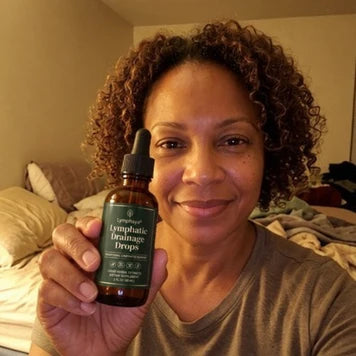
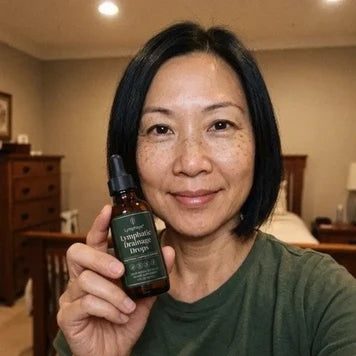
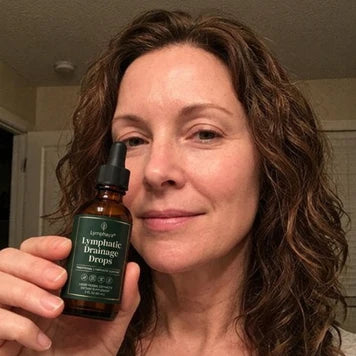
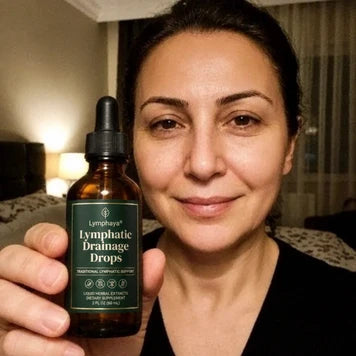
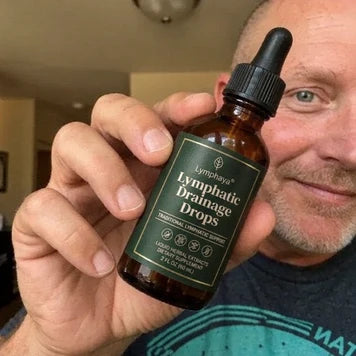
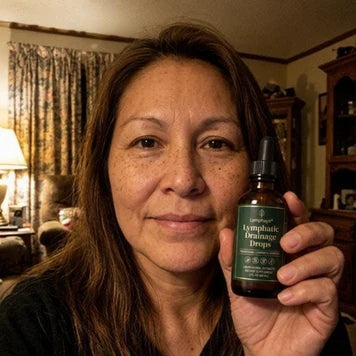
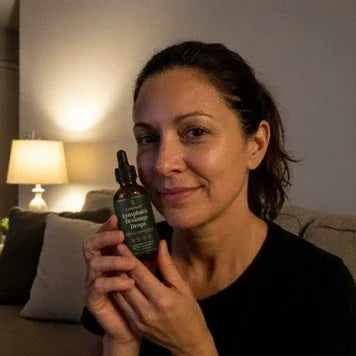
Hey, I'm Nora.
Somewhere in my late thirties, my mornings started to feel a little different.
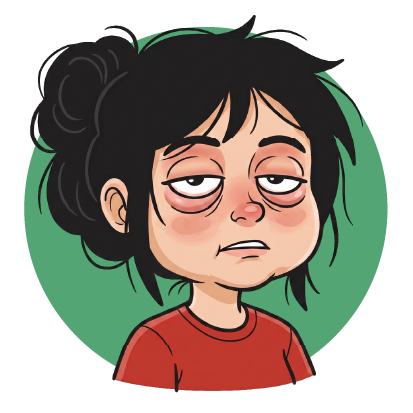
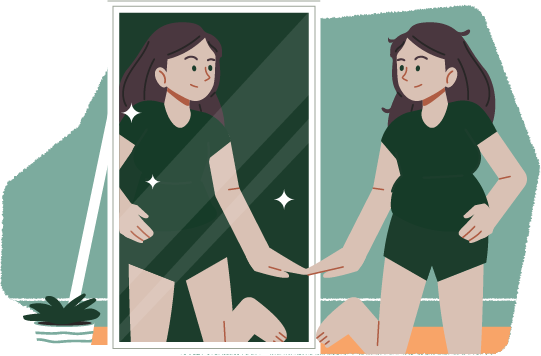
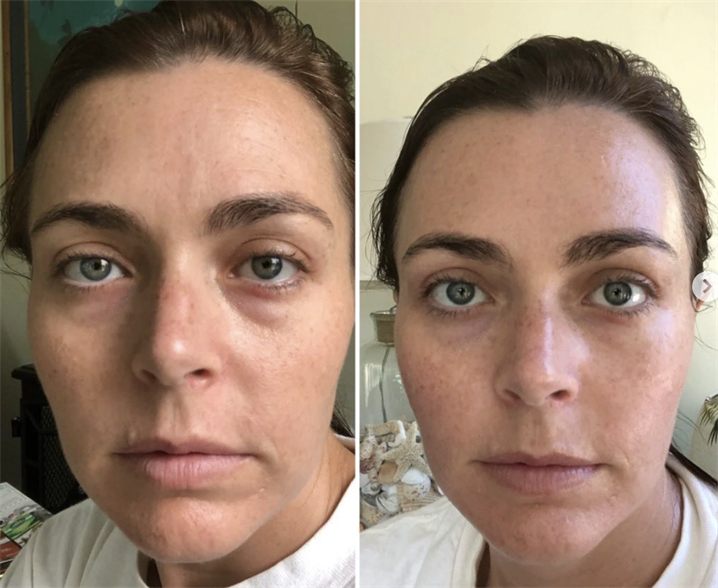
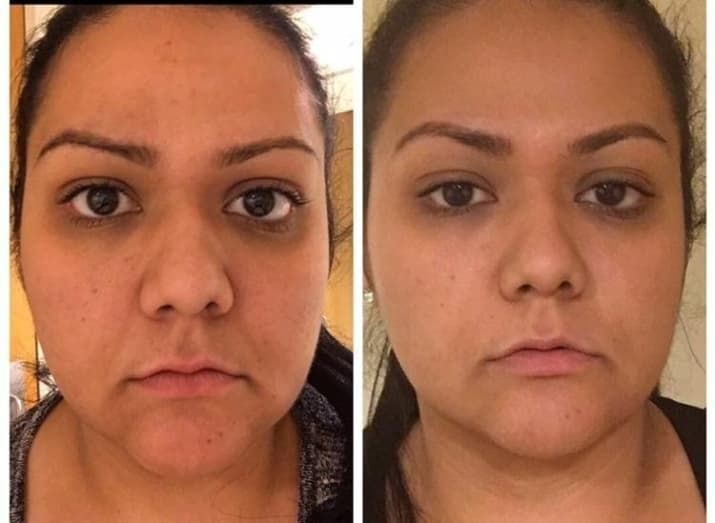
I’d wake up looking a bit puffy, and it took a while to feel like myself.
Puffy under the eyes, cheeks a little fuller than the night before, and my rings felt snug in the morning.
So I’d wait it out — cold water, a little concealer — and by mid-morning I felt more like me.
Then the afternoon would come.

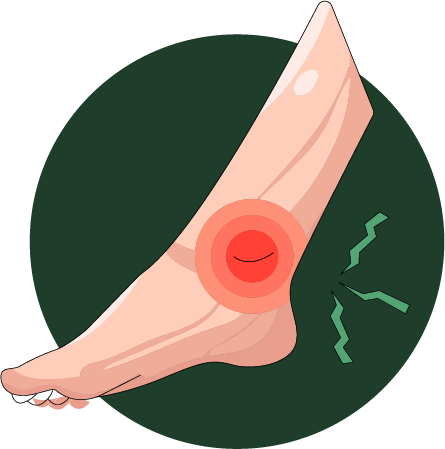
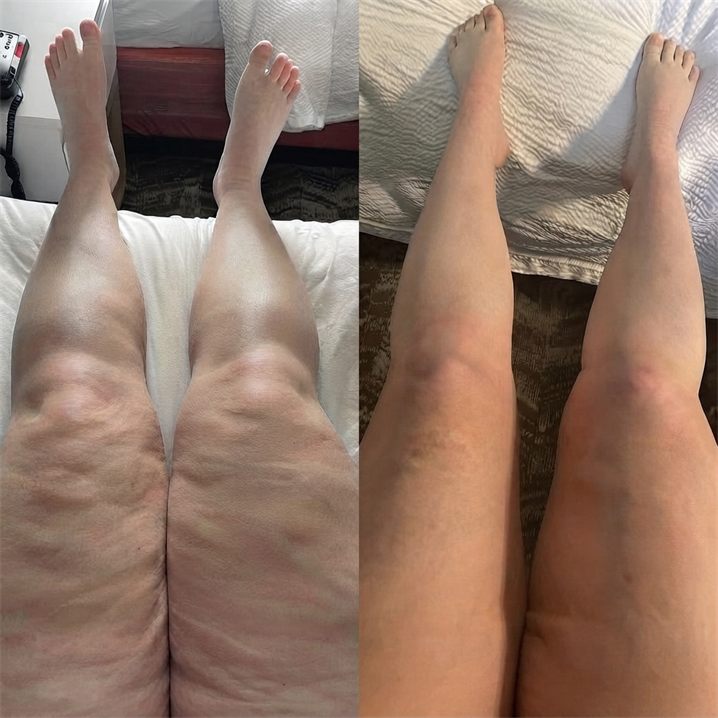
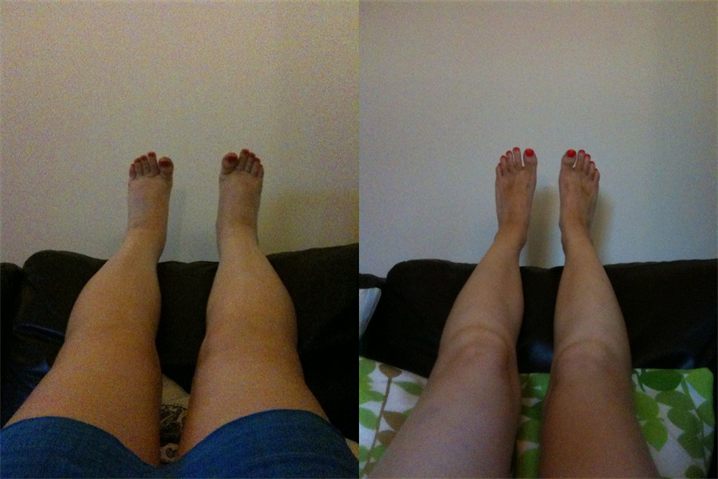
By mid-afternoon my legs started to feel heavier than they used to.
My shoes felt a little tighter as the day went on.
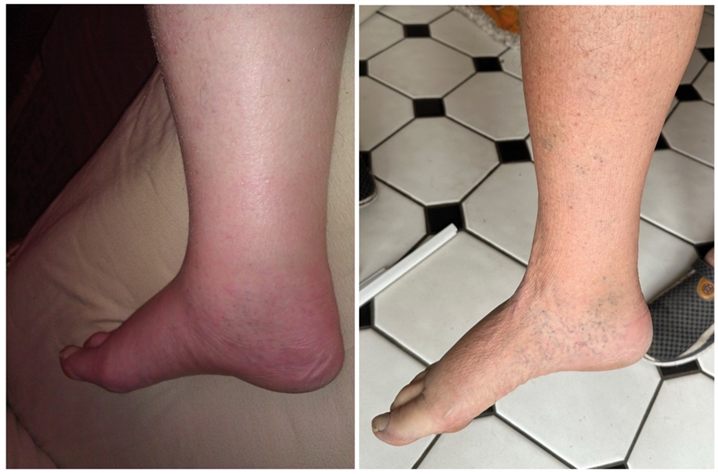
And at night, my socks would leave a mark that seemed to linger.
And here’s the part that surprised me:
My weight hadn’t really changed.
The scale said about the same as a year before — but I just didn’t feel as light and fresh as I wanted to.
So I tried the usual things. Less salt, more water, compression socks. Some helped a little, some didn’t.
I even tried a lymphatic massage — lovely, but the fresh feeling didn’t last long.
 Slow, puffy mornings.
 Rings that felt snug early in the day.
 Sock marks that seemed to linger.
So I started reading about how the body naturally clears the fluid that can leave us feeling puffy.
Why I could weigh the same and still feel so different.

What I found made a lot of sense:
It wasn’t really about water weight — it was about flow.

Here’s something a lot of people don’t realize.
Your body has two circulatory systems.
The one most of us know is the blood system — the heart keeps it moving all day.
The second is your lymphatic system — the body’s natural drainage network.
It helps carry away excess fluid and everyday waste your tissue doesn’t need.
But unlike your blood, it has no pump of its own.
Think of your body like a home with two water systems.
One is pressurized — it flows on its own.
The other is a gentle drain, and a drain only moves when something moves it.
Your lymph flow relies on three things: your breath, your muscles and your movement.

So what happens when those slow down?
In our late thirties, a few everyday things can slow that natural flow at once:
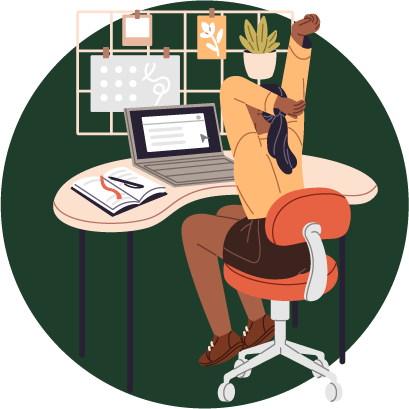
 A more seated routine.Your calves help move lymph when they’re active. Long hours sitting mean a lot less of that natural movement.
 Everyday stress.Busy, stressful days tend to make our breathing shallow — and deep breathing is one of the things that helps move lymph naturally.
 The natural shifts of our late thirties.Natural changes over time can affect how much fluid the body holds onto. The flow simply tends to slow a little.
Over time, fluid can linger in the tissue instead of moving along as quickly. And that’s often what we feel as puffiness.
Many women notice small everyday signs:
 Feeling a bit puffier in the morning than the night before.
- Rings that feel snug earlier or later in the day.
 Legs that feel heavier the longer you sit.
- Socks that leave a mark that lingers.
 Skin that looks a little dull or less fresh.
 A general foggy, less-sharp feeling.
 And a weighed-down feeling, even when the scale hasn’t changed.
So it was never really about salt, or willpower, or drinking even more water.
It was about gently supporting the body’s natural flow.
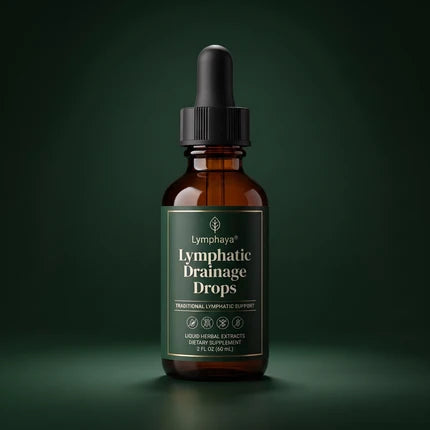
So I went looking for something that could gently support the flow
Not a harsh flush. Not something that just pushes fluid around for an afternoon.
I wanted something that could support the body’s own natural drainage.
And the research kept pointing back to one classic, overlooked plant.
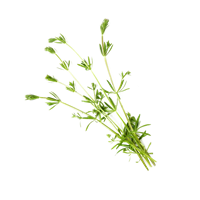
Cleavers.
A humble little plant.
It grows wild along fences and roadsides. Most people have brushed past it without a second thought.
But herbalists have valued cleavers for centuries for one thing: gently supporting the body’s natural fluid movement.
Not by forcing anything — simply by supporting the body’s own natural drainage.

But cleavers on its own wasn’t the whole answer.
Because supporting flow works best when it’s supported all the way through.
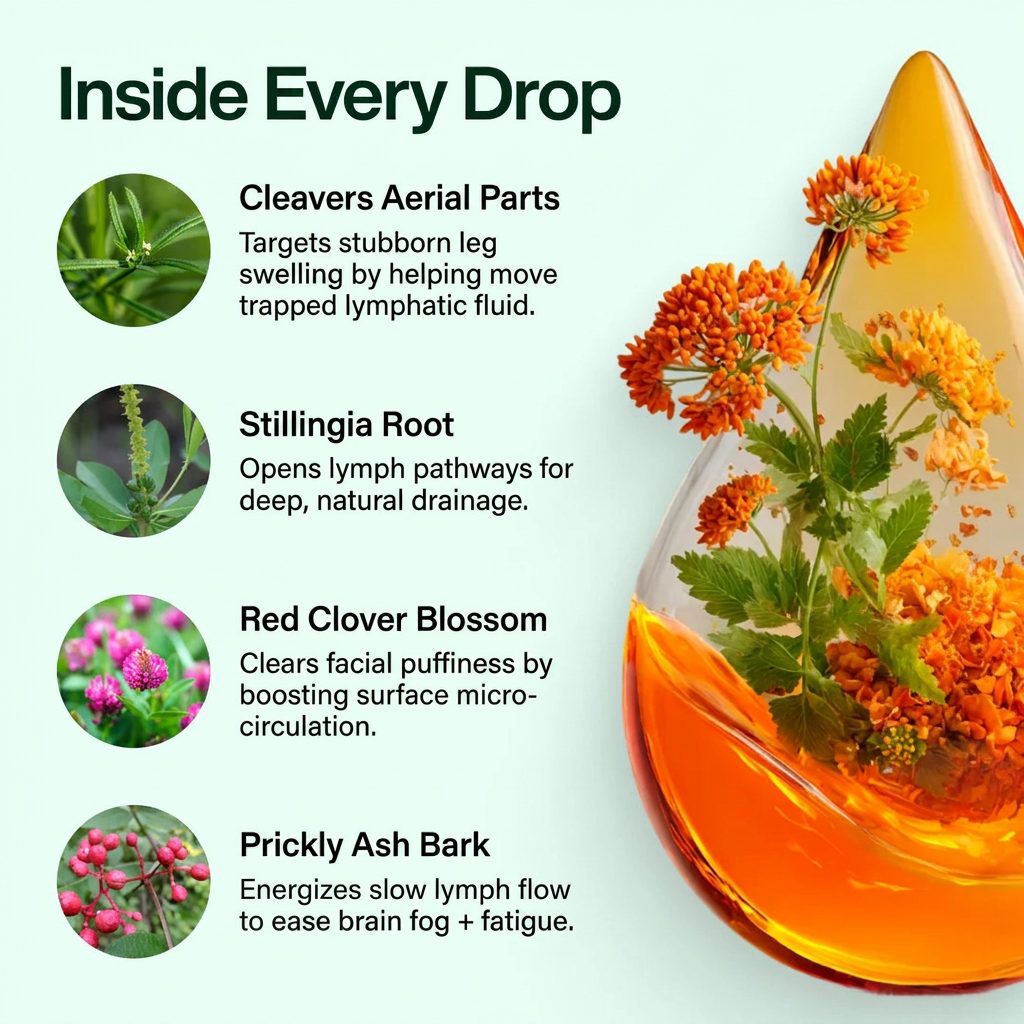
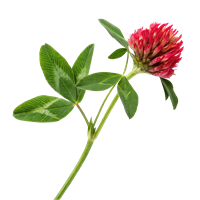
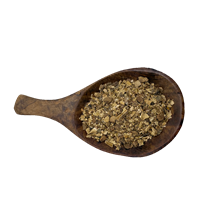
It helped with movement, but I also wanted to support the deeper pathways, the surface freshness of the skin, and steady circulation on the days we sit a lot.
That’s the part that matters most:
“Gentle support works best when it supports the whole system.”
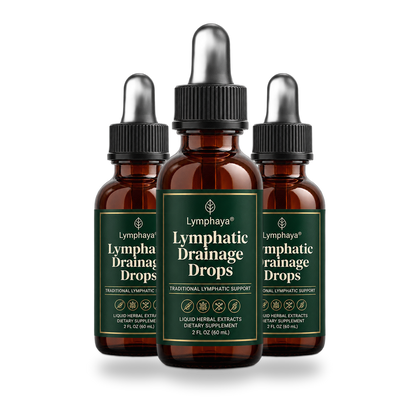
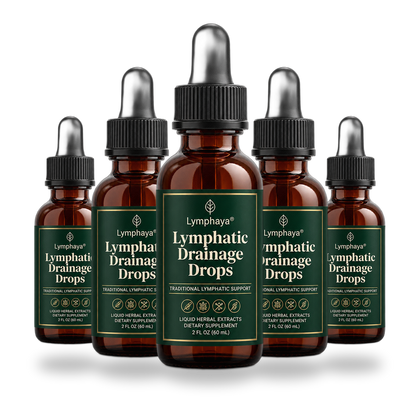
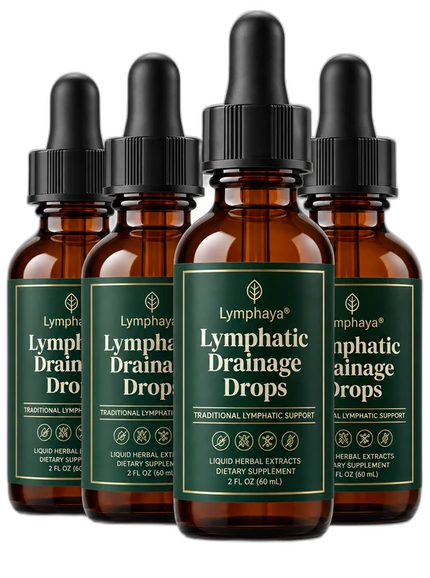
The real answer was a balanced blend that supports the whole process. That became the blueprint.


 90 Days Money Back Guarantee




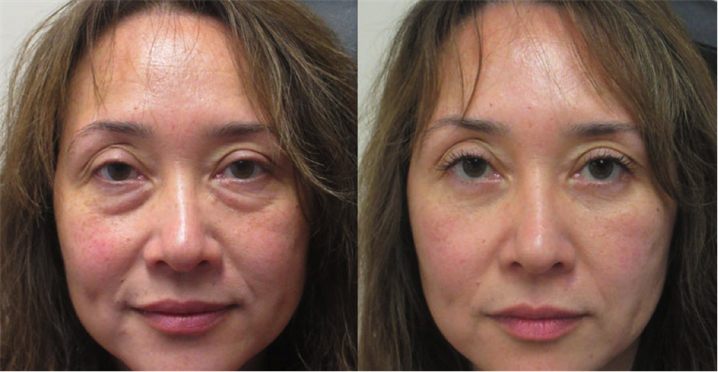
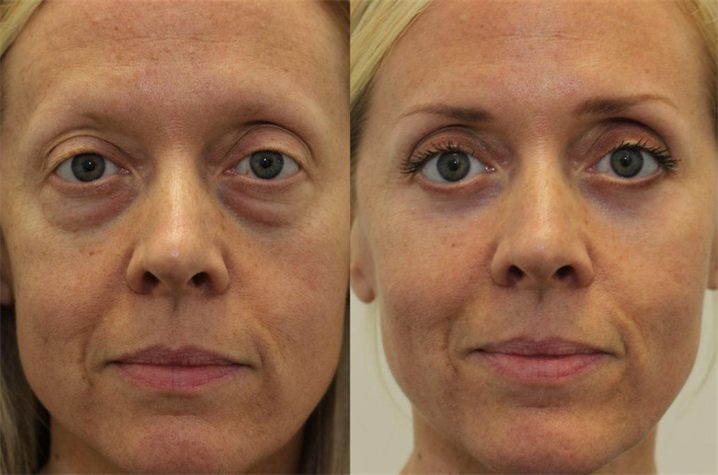

 90 Days Money Back Guarantee

 Slow, puffy mornings.
 Rings that felt snug early in the day.
 Sock marks that seemed to linger.


 Feeling a bit puffier in the morning than the night before.
 Legs that feel heavier the longer you sit.
 Skin that looks a little dull or less fresh.
 A general foggy, less-sharp feeling.
 And a weighed-down feeling, even when the scale hasn’t changed.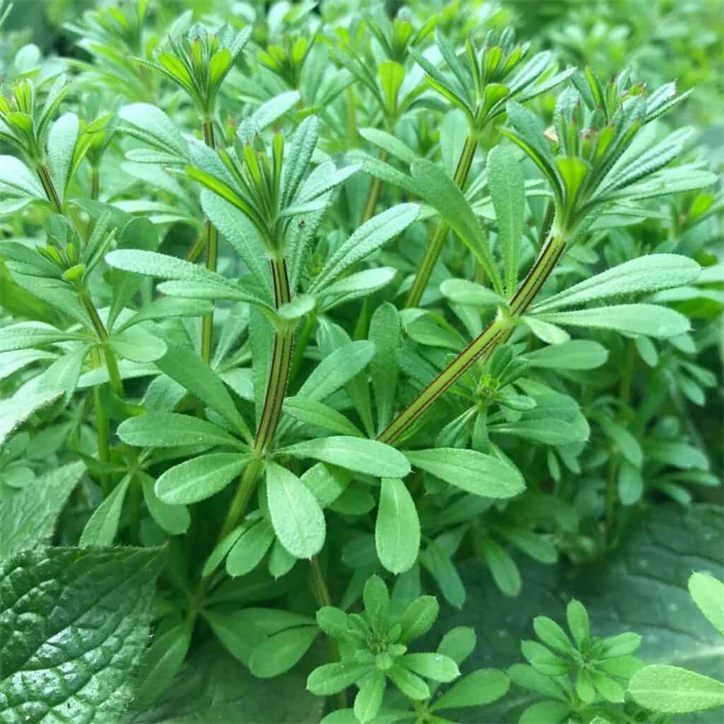





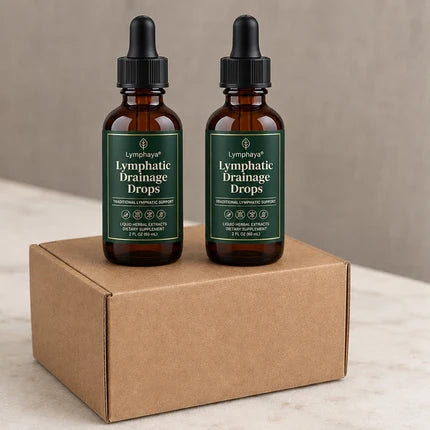
 Try Lymphaya